
From Idrija Lace to Ribnica Woodenware: Inside Slovenia's Heritage Workshops
Step inside Slovenia’s most storied workrooms, where bobbins softly click and shavings of beech fall like curled feathers. We journey from delicate Idrija lace to sturdy Ribnica woodenware, meeting makers who shape beauty through patience, rhythm, and inherited skill. Discover quiet tools, living traditions, and the small decisions that turn raw materials into soul-carrying objects. Follow along, ask questions, and share your own craft memories, because these workshops open wider when more curious hearts cross the threshold.
Rooms That Echo With Mine Shifts and Evening Stitches
Families here remember a time when the mercury mine defined the clock, and lace kept the house warm with focused purpose. After long days, women balanced pillows on their laps as children counted pins like constellations. Stories slipped between stitches—courtships, storms, joke-telling neighbors—and the cloth that formed held more than pattern. It held proof that small, steady choices can brighten a whole street, even when darkness gathers early outside the window.
A School That Teaches Patience, Not Just Knots
In the late nineteenth century, a public lace school gave structure to a knowledge already humming in homes, cataloging techniques while protecting the soul of improvisation. Here, students learn how a single turn changes tension everywhere, how tape borders curve without warping, how mistakes can become motifs when guided with humility. Teachers do not rush the rhythm; they lend their own calm. Step by step, muscle memory becomes artistry, and notebooks fill with sketches breathing like living vines.
Choosing Beech, Maple, or Ash With a Listening Palm
Selection starts long before a blade is lifted. Makers weigh moisture, listen for a clean knock, study rings for stories of wind and drought. Beech offers steadfast neutrality, maple a bright polish, ash a resilient spring. Sustainable felling keeps tomorrow in mind, because a hurried choice today will warp a bowl next winter. Palms learn to sense hidden tensions, partnering with the wood rather than conquering it. Respect is the first cut, and it leaves no mark.
Lathes That Hum; Knives That Remember the Grain
Once mounted, the blank spins like a planet, revealing equators and weather the eye alone would miss. The maker reads the shimmer and rides it, lifting ribbons instead of dust. A good knife glides with angles learned over decades, turning resistance into signal. Spoon bowls thin until light winks through, handles taper to balance, rims are relieved for lips and ladles for broth. Each pass is a question, each curl an answer, until the tool falls quiet because the form has spoken.
Pack Baskets With Miles in Their Straps
Ribnica’s woodenware once traveled the continent on broad backs and sturdy legs. Itinerant sellers threaded markets and mountain passes, trading sieves, spoons, and toys for coins and stories. They learned languages of welcome, repaired handles by campfire, and returned with news stitched into regional designs. The straps creaked, but the spirit never did. Those pathways still echo in today’s storefronts and parcel routes, reminding every buyer that usefulness tied to dignity can carry farther than fashion ever hopes to.
Materials With Memory: Thread, Timber, and the Pace of Time
Thread That Holds a Story Without Stealing the Light
In lace, the right thread disappears at the perfect moment, letting space speak. Too glossy and it shouts; too fuzzy and it muddies edges meant to float. Makers test twists between fingertips, judge strength by sound, and wash samples to reveal true behavior. Natural fibers reward care with longevity and gentle aging. When the piece finally meets a tablecloth, sleeve, or frame, it does not demand attention—it invites a second look, and then a slow, satisfied breath.
Wood That Settles Before It Serves
Green wood tempts with easy carving, but patience saves lives in the kitchen. Proper seasoning keeps spoons from checking and bowls from sulking into ellipses. Stacks are spaced for air, ends sealed, weights rotated with weather. Makers learn to read tiny seams like barometers, delaying the final cut until the future has agreed. Only then does sanding sing instead of screech, and oil drinks into fibers like rain into thirsty soil, raising a glow that feels earned, not painted.
Tools That Age Into Teachers
Bobbins polish where thumbs rest, and knives polish where grit once argued. Over years, edges and handles record their owners’ corrections, becoming compasses that point toward better choices. A slightly rounded bevel forgives a tired day; a lighter bobbin warns against overzealous tension. Apprentices borrow these elders and hear stories without a single word. Toolboxes, like libraries, lend voices across generations, reminding each new maker that the surest shortcut is attention, and that speed grows naturally from care.
Where Craft Lives: Kitchens, Altars, Cradles, and Suitcases
Objects from Idrija and Ribnica refuse to stay on pedestals; they breathe most fully in use. Lace edges sleeves at baptisms and curtains at spring cleanings. Wooden ladles stir winter soups and carry berries in July. A single piece can belong to holidays and Thursdays alike, reminding us that meaning accumulates through repetition. Even when displayed, you sense the pull toward hands, light, and ordinary moments that mysteriously become extraordinary when something well made joins the scene.

Learning Beside a Master, One Quiet Correction at a Time
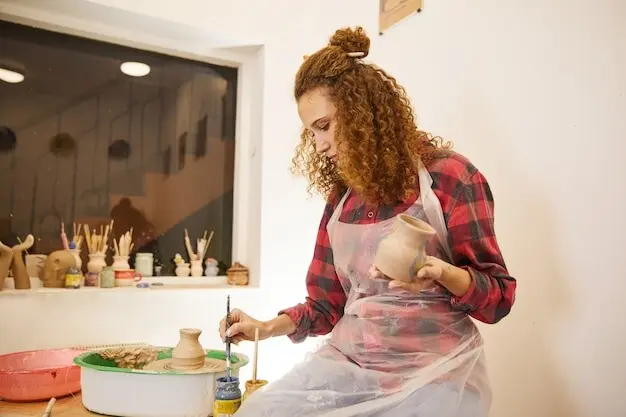
An apprentice counts not just stitches or passes, but breaths. The master pauses, tilts a bobbin, shortens a cut, and suddenly the wobble disappears. Praise arrives sparingly and lands like rain, exactly when needed. Mistakes are not secrets; they are landmarks shared for safety. Over tea, talk turns to pricing, posture, and how to say no kindly. Months later, the apprentice finds their own cadence, grateful for hands that guided without gripping, and a craft that opens only to patience.
Patterns on Paper, Pixels, and the Back of a Metro Ticket
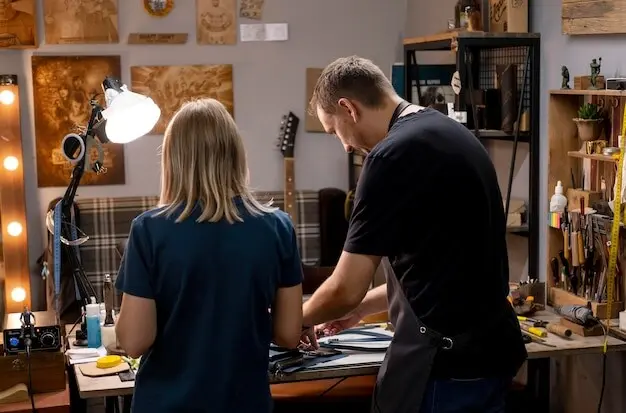
A motif can appear anywhere: a church ironwork, a leaf shadow at dusk, a child’s chalk curve. Makers capture it quickly—paper scraps, phone cameras, careful grid translations. Archives welcome both masterpieces and humble notes, because continuity thrives on breadth. Digitization protects against loss while enabling teaching at a distance, yet paper remains beloved for the way it slows thought. Between files and folders, a living vocabulary expands, ready for responsible adaptation that honors source and sparks new possibility.
Shops Without Borders, Values Without Compromise
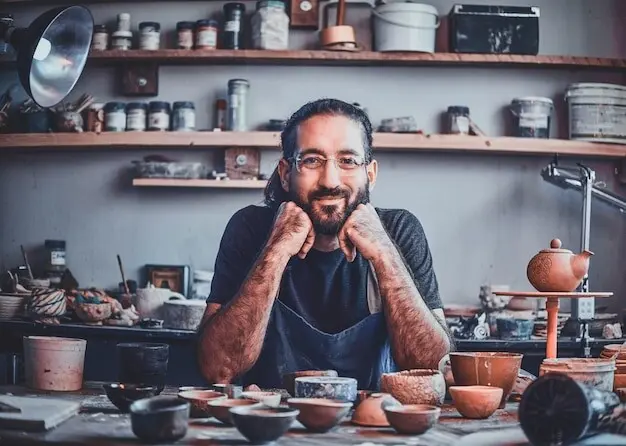
Online orders now travel where hawkers once walked. The best storefronts tell the whole story—materials, makers, hours, and care—so distant buyers can choose wisely. Fair pricing explains the labor inside each curve and crossing. Packaging favors renewables and blanks ready for reuse. Social channels invite questions rather than sales pressure, building a circle of respect. In this way, scale becomes ally, not threat, and heritage gains new allies who proudly carry it into everyday routines.
Studio Etiquette: Eyes Open, Fingers Clean, Questions Ready
Makers balance concentration with hospitality, so step lightly into their rhythm. Avoid perfume that clings to fibers, tie back sleeves near lathes, and leave bags where they can’t catch. Ask permission before photographs; some patterns are commissions. Notice the floor—shavings and pins warn where not to stand. Good questions earn long answers: why this thread, that bevel, this finish? When you leave, you carry more than purchases. You carry respect, which keeps doors open for the next visitor.
How to Choose a Piece That Becomes an Heirloom
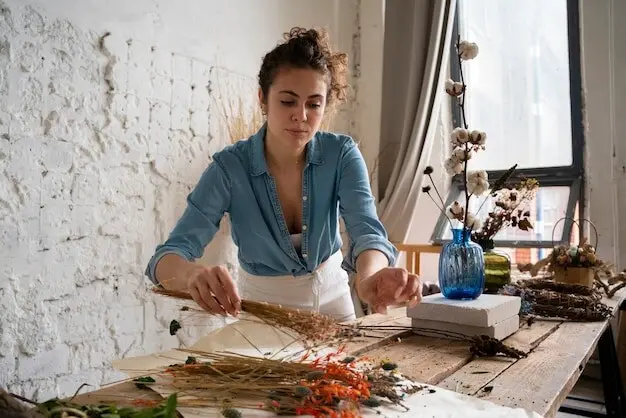
Hold the object to the light and listen. In lace, watch whether edges float rather than collapse, and whether tension keeps geometry calm. In wood, feel balance and finish; your palm should relax unconsciously. Ask about care—oils, washing, storage. Real value hides in durability paired with delight. If the maker’s explanation aligns with what your hands report, you have likely found a companion for decades, one that will collect your stories as faithfully as it serves daily needs.
Join the Conversation and Keep the Thread Moving
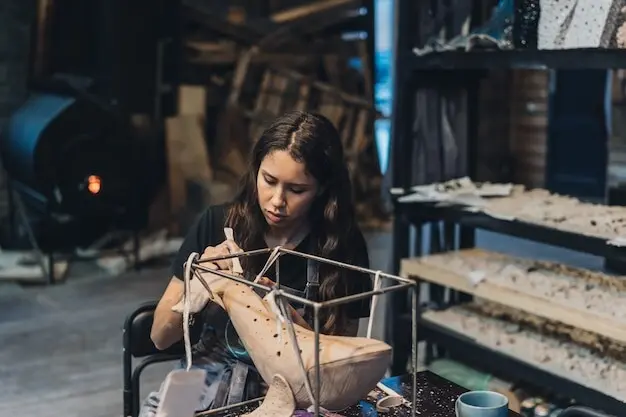
We would love your company as this exploration continues. Subscribe for fresh studio visits, interviews, and making guides. Comment with questions for artisans or memories of objects that changed a room’s feeling. Share photos of pieces at work in your home, tag makers you admire, and suggest paths we should walk next. Together we strengthen the circle that keeps skills alive, because appreciation is not passive—it is the spark that lights every careful step forward.
All Rights Reserved.