Lingering Paths Through Slovenia’s Maker Villages
Settle into the art of unhurried discovery as we explore slow travel routes through Slovenia’s artisan villages, where beekeepers, blacksmiths, lace-makers, salt harvesters, woodcarvers, and shepherds welcome curious wanderers. Expect gentle journeys, warm conversations, tactile workshops, regional flavors, and stories that reward every extra minute you choose to linger.

From Alps to Adriatic: A Gentle Route
Trace a meandering line from high meadows to sea breezes, linking Radovljica, Kropa, Škofja Loka, Idrija, Ribnica, Velika Planina, and the Piran coast. This route favors short hops, long pauses, and meaningful encounters, inviting you to savor workshops, village museums, quiet chapels, and kitchen tables where heritage still simmers, rises, and cools at its own considered pace.

Radovljica Mornings with Beekeepers and Gingerbread
Begin near the Sava with honey tastings, painted beehive panels, and the hum of the native Carniolan honeybee. Step into a small confectioner’s kitchen to watch glossy red Lect hearts pressed from carved molds. Conversations wander from forests to family histories, revealing how patience, blossoms, and weather braid themselves into sweetness best appreciated in slow, attentive sips.

Forged Iron in Kropa’s Narrow Lanes

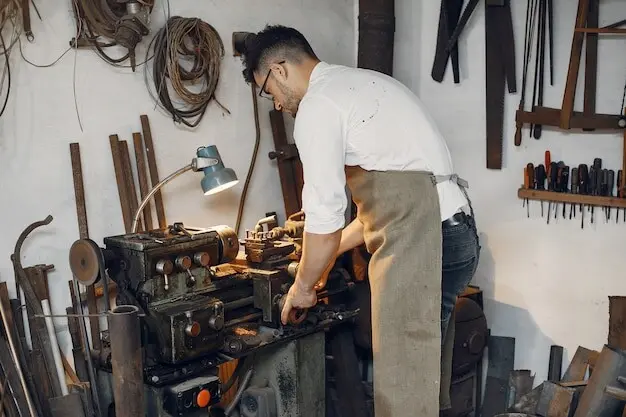
Follow the clang and spark into Kropa, where iron was once shaped into nails that traveled Europe. In the forge museum, bellows sigh and hammers ring as artisans demonstrate steady rhythms learned from elders. Handle the cool weight of a hand-wrought hinge, trace hammered textures, and feel how devotion, fire, and time give simple metal a generous, lasting grace.

Idrija Lace Threads and Quiet Courtyards

In Idrija, bobbins dance over pillows while stories of miners’ families echo through pastel courtyards. Bobbin lacemaking in Slovenia is recognized by UNESCO, yet it remains deeply personal: counted patterns, whispered advice, and deft, habitual motions. A short lesson reveals how tiny knots become air-light motifs, patiently linking hands, households, and generations with shimmering, disciplined beauty.

Workshops Where Hands Lead the Way

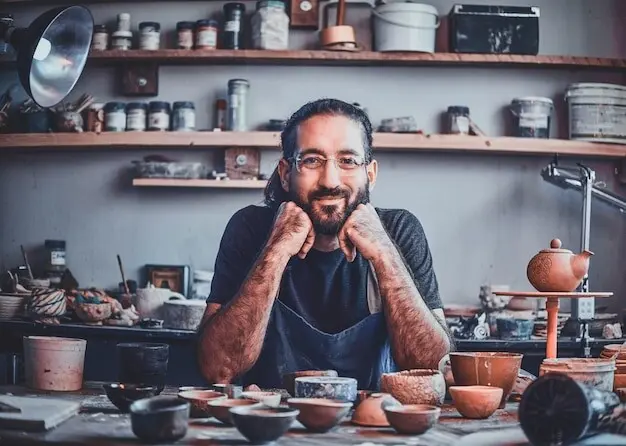
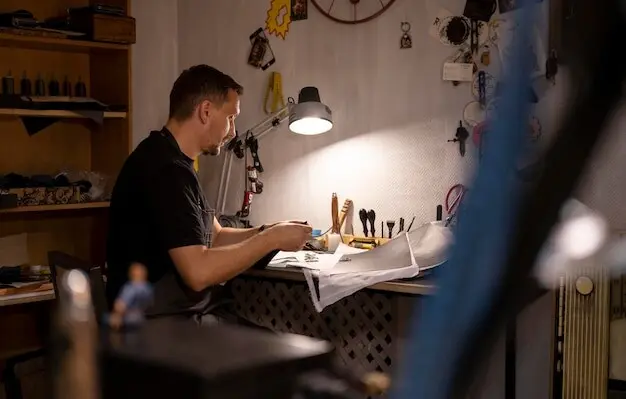
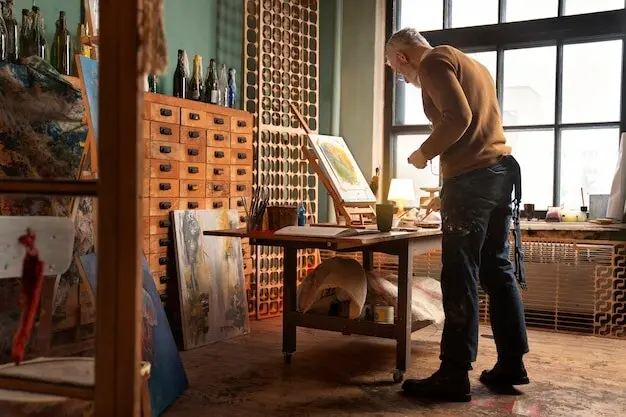
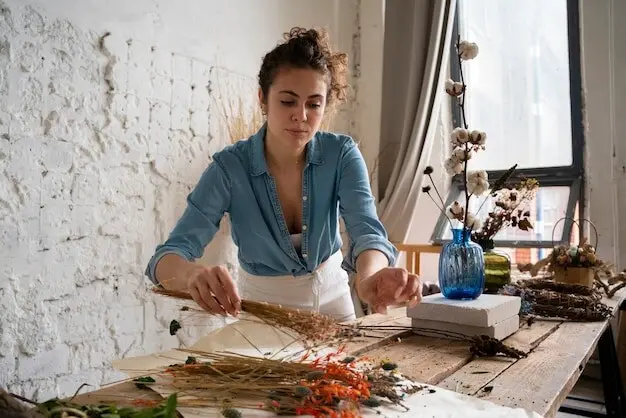
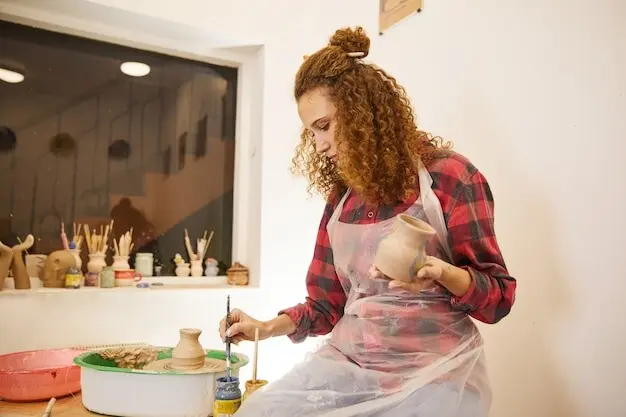
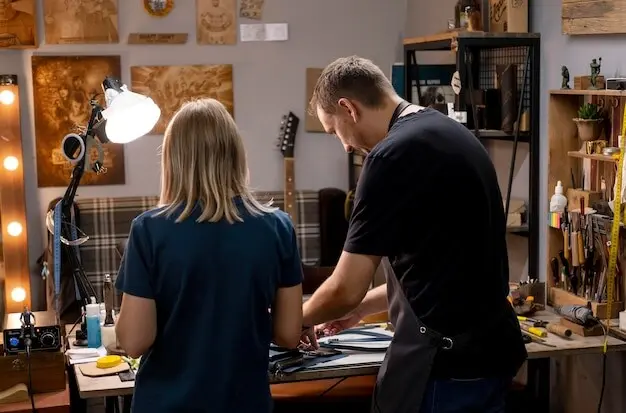
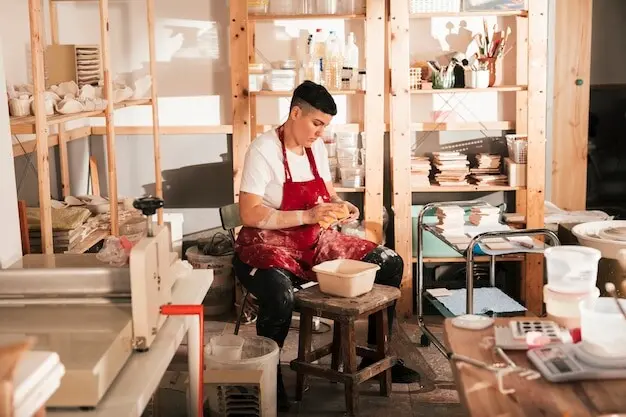
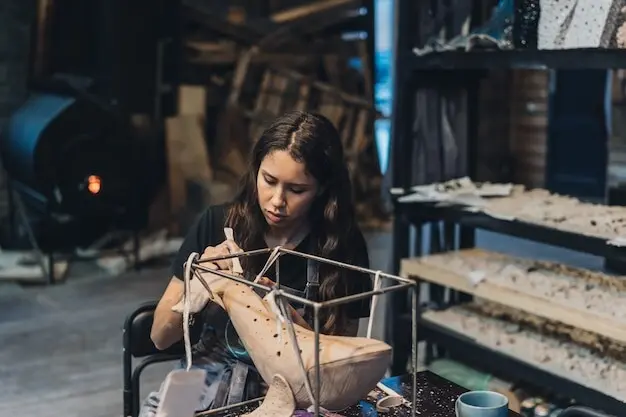
Step inside working studios where wood turns, clay centers, wax melts, and salt dries. These spaces feel like time capsules powered by muscle memory and shared jokes. By asking respectful questions and trying a small task, you sense the craft’s cadence and its quiet rewards, leaving with new skills, thoughtful souvenirs, and stories worth retelling to friends back home.

Moving Slowly: Trains, Buses, Bikes, and Boots

Slovenia rewards travelers who swap speed for rhythm. Regional trains slide to Lesce-Bled for Radovljica, local buses climb toward Idrija, and short walks connect villages overlooked by highways. On the coast, cycling follows the Parenzana path’s gentle grades. With light bags, flexible timing, and curiosity, getting there becomes part of the story, not a blur between destinations.

By Rail to Lesce-Bled, Then Along the Sava

Settle by the window as fields and church spires drift past, stepping off at Lesce-Bled for an easy walk or short bus to Radovljica. A riverside footpath follows the Sava’s cool breath to wooden bridges, apiaries, and picnic meadows. Without transfers to rush, you notice birdsong, distant bells, and the inviting scent of buckwheat bread from village ovens.

Mountain Buses to Idrija, With Stops Worth Keeping

Mountain roads curl toward Idrija, and local buses pause where stories happen: viewpoints, chapels, and tiny cafés pouring thick coffee. Plan cushions of time so delays feel like gifts. Step off to photograph terraced gardens, then rejoin the route refreshed. Reaching lace workshops unhurried, you arrive attentive and open, ready to learn knots, count stitches, and listen carefully.

Cycling the Brda Ridges Between Bell Towers and Orchards

Rent sturdy bikes in Goriška Brda and trace vineyard lanes linking Šmartno, Dobrovo, and the Gonjače tower. Gentle climbs reward with stone villages and views sweeping to the Adriatic on clear days. Pause for cherries, olive oil, and cellar tastings, riding safely at dawn or late afternoon. Schedules soften, conversations lengthen, and each pedal stroke loosens another stubborn hurry.

Flavors Carried by Hills, Sea, and Forest

Taste buds learn local history quickly: honey reflecting lime blossoms, salt crisp with sun, cheeses shaped by altitude and herbs, wines coaxed from marl and stone. Sit with hosts who pour, slice, and explain. Pair a small purchase with a recipe and a story, then write both in your notebook so memory stays sharp long after packing day.

People of Patience: Short Field Notes

Marija’s Hives and the Painted Panels
Marija’s hands smell faintly of smoke and propolis. She points to beehive panels once brightly painted to guide bees and amuse neighbors, describing scenes of saints, mischief, and farm life. Her advice is simple: watch the flowers, respect the weather, and move slowly. Honey, she says, tastes like the conversations you have while waiting for it.

Ana’s Bobbins and a Childhood Rhythm

Ana remembers learning to lace by counting breaths, not stitches. Bobbins clacked through summer storms and winter evenings, a quiet orchestra beside the stove. She teaches you to anchor threads with confidence before chasing flourish. Perfection, she laughs, grows from repeating basics kindly. You leave clutching a tiny motif, astonished by how much patience weighs in grams.

Dragan’s Salt and the Sea Wind

At Sečovlje, Dragan watches clouds like a cook watches steam. He slides a wooden rake under forming crystals, listening to brine whisper against wood. Tours end with two pinches: one coarse, one delicate. His salute is practical—drink water, wear a hat, work with weather, not against it. The lesson lingers like sun on your forearms.

Festivals and Markets That Shape the Calendar

Mark anchoring dates first: Idrija’s lace celebrations, Radovljica’s chocolate festivities, Ribnica’s woodenware fair, and harvest tastings in Brda. Around them, add village markets where eggs, buckwheat, and apples complete breakfasts. Book rooms early yet allow unplanned nights. When rain edits plans, swap hiking for museums, cozy workshops, and cafés where artisans gladly trade forecasts for well-phrased questions.

Booking Workshops and Paying Fairly

Small studios juggle family life, markets, and teaching, so messages sent early are kindness. Keep groups small, expect instruction to be hands-on, and photograph only with permission. Pay in cash when possible, decline bargaining that undercuts value, and factor time for tea. Write reviews naming makers, not just places, helping future travelers find the right door on quiet streets.

Useful Slovene Phrases That Open Doors

A few words warm every exchange: Dober dan (Good day), Prosim (Please/You’re welcome), Hvala (Thank you), Koliko stane? (How much is it?), Lepo (Lovely), Zelo dobro (Very good). Pair them with eye contact and an unhurried tone. Jot pronunciations, practice while walking, and celebrate small wins when smiles widen. Language, like craft, rewards repetition, care, and gentle courage.

Care for Places That Care for You

Slow travel thrives when respect leads. Choose durable goods, reuse bags, refill bottles, and learn repair tips straight from makers. On trails, step lightly; near hives, move calmly; by saltpans, stay on paths. Credit artisans in posts, ask before tagging locations, and support museums. Share your reflections and questions so our community can help keep these skills alive.

Buying for a Lifetime, Not a Minute

Look past souvenirs toward tools and textiles you will use daily. Ask about wood species, finishes, weaves, or lacings; learn oiling, washing, and mending. Makers sometimes repair or refresh pieces years later. When you pay, you underwrite workshops, apprenticeships, and hearths. Objects carried home then carry you forward, reminding that thoughtful ownership is a quiet, sustaining pledge.

On Trails, in Meadows, and Among Hives

Respect fields, hayracks, and fences as living workplaces, not photo sets. Pack out everything, avoid trampling herbs, and ask before entering barns or pens. Bees prefer calm gestures and steady breath; give space and never block flight paths. In saltpans, silence helps birds feed. These simple courtesies knit travelers into landscapes that welcome patience but resist carelessness.
Ravozeranari
Privacy Overview

This website uses cookies so that we can provide you with the best user experience possible. Cookie information is stored in your browser and performs functions such as recognising you when you return to our website and helping our team to understand which sections of the website you find most interesting and useful.